Electrical Services
North Idaho & Eastern Washington
Complete Water & Power Solutions
Licensed, Bonded & Insured
24/7 Out of Water Emergency Response
Warranties & Memberships Available
Call or Text
Request Lorem Epsom
Hero Request Form
Thank you for contacting us.
We will get back to you as soon as possible.
Please try again later.
Reliable Electrical Solutions for Your Home
When you need dependable electrical work in Northern Idaho & Eastern Washington, Northern Water & Power delivers award-winning service backed by over 40 years of combined experience. We're a locally and family-owned company that's built our reputation on getting things done right the first time, every time.
Our fully licensed and insured team can create cost-efficient electrical systems designed to fit your exact needs. From emergency repairs to major upgrades, we're here with the skills and products (made in the USA, Mexico, or Denmark) that ensure lasting results. Contact us today to learn how we can help and discover what makes us the leading choice for a whole house generator in Hayden, ID.
Why Choose Us for a Whole House Generator in Athol, ID?
24-Hour Water & Power Response
Warranties & Memberships Available
24/7 Out of Water Emergency Response
2-Hour Average Emergency Water Response
Fully Licensed and Insured
Journeyman Certified Plumber
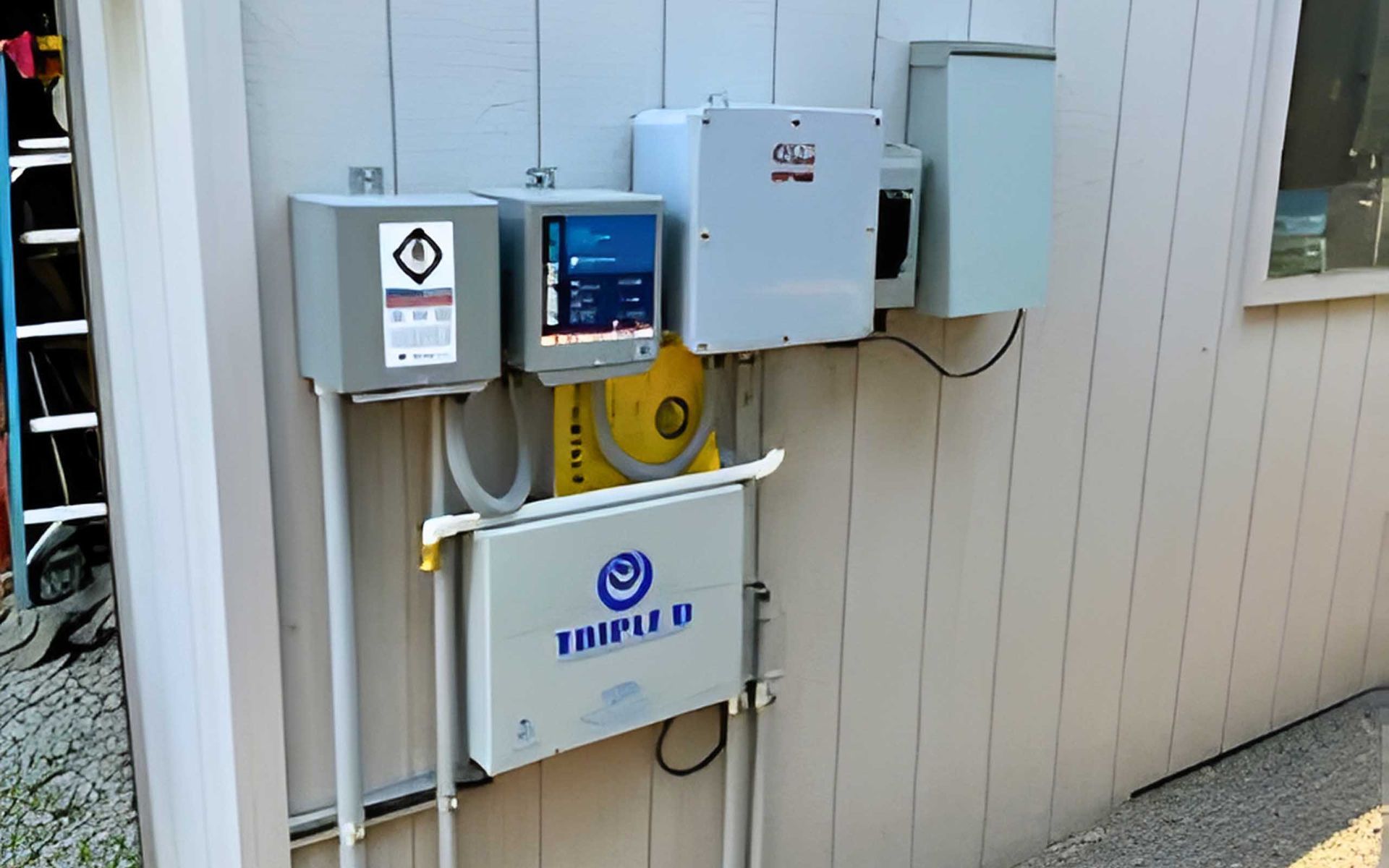
Backup Power Generator Systems
Power outages can disrupt your daily routine and leave your family uncomfortable. We design and install a whole house generator Hayden, ID residents rely on to keep their home running smoothly when the grid goes down, helping their familes stay comfortable and safe.
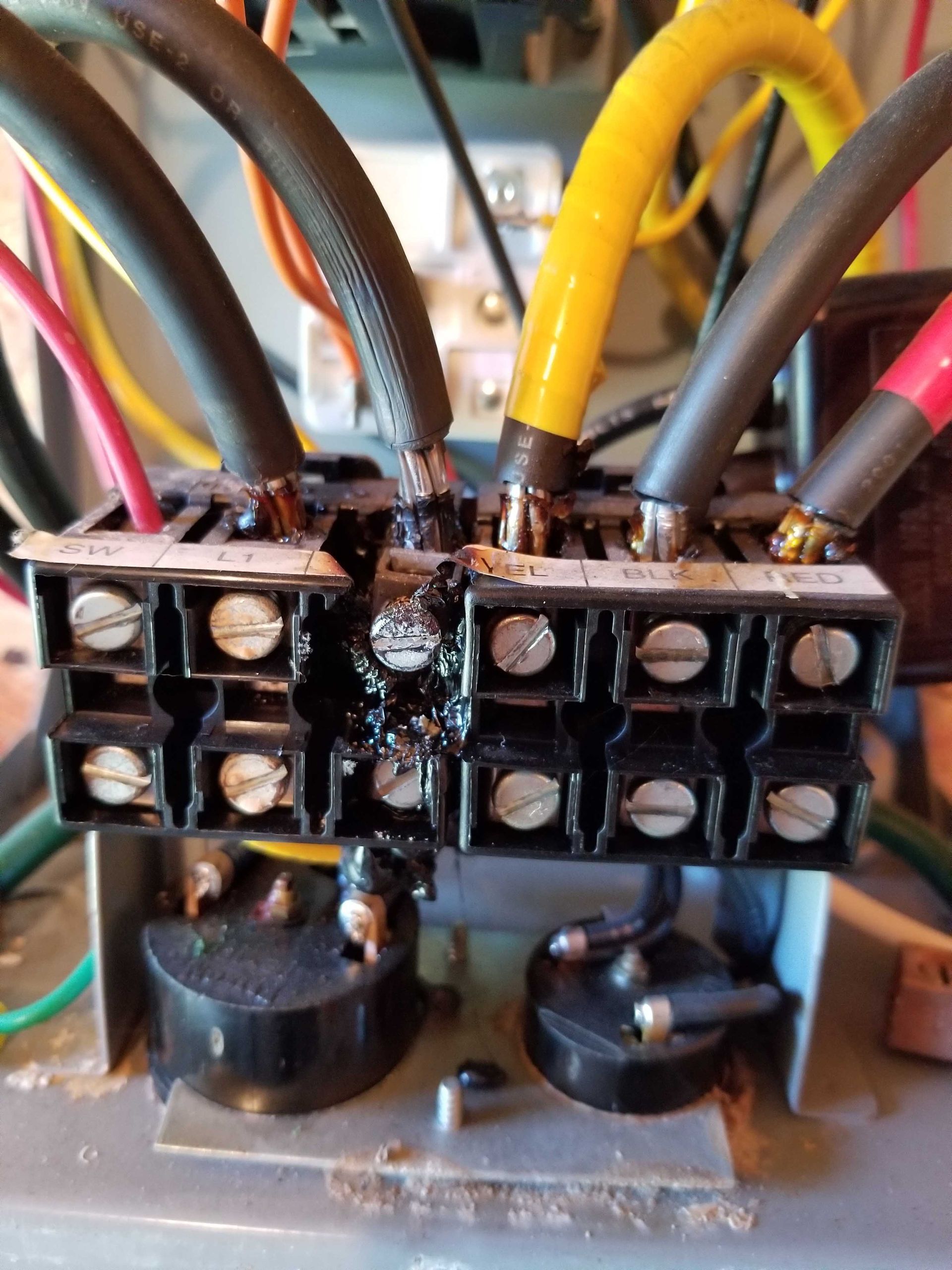
Electrical System Upgrades
Whole Home Rewiring
If your wiring is outdated or unsafe, we provide comprehensive whole home rewiring services. Our trained professionals use quality materials to create durable system configurations that stand the test of time.
Here's what our satisfied customers are saying...
At Northern Water & Power, we take pride in providing exceptional water and electrical services to our customers. We would be grateful if you could share your thoughts about our business with others. Your feedback helps us improve and helps others make informed decisions. Please take a moment to leave a review of Northern Water & Power and let others know what you think.
How does a whole house standby generator work during an outage?
When we install a whole house generator in Athol, ID or the surrounding regions, we connect it directly to your home's electrical panel and natural gas or propane supply. It continuously monitors incoming utility power. When the grid drops voltage or shuts down completely, an automatic transfer switch (ATS) detects the loss within seconds. The switch disconnects your home from the utility line to prevent backfeeding, signals the generator to start, and seamlessly transfers your household electrical load to the unit. Once utility power returns and stabilizes, the system automatically shifts your home back to grid electricity, cools down the generator motor, and turns itself off until the next power interruption.
What size whole home generator do I need for my house?
Determining the size of your whole house generator in Hayden, ID or the surrounding areas depends on your specific household energy requirements, measured in kilowatts (kW). A partial-coverage unit (10kW to 14kW) runs essential circuits like your refrigerator, lights, internet, and furnace blower. A full-coverage system (20kW to 26kW or higher) powers high-draw appliances simultaneously, including central air conditioners, electric water heaters, and well pumps. To size a unit accurately, an electrician calculates your home's total running wattage alongside the starting surge wattage required by heavy motor-driven appliances. Choosing the right capacity prevents breaker trips, protects sensitive electronics from power sag, and ensures efficient engine performance under load.
What is the difference between a portable generator and a standby generator?
Portable generators run on gasoline or diesel, require manual setup, and connect to appliances via extension cords or a manual transfer switch. They are budget-friendly but produce less power, require frequent refueling, and emit dangerous carbon monoxide, demanding outdoor placement far from home openings. Getting a standby whole house generator in Athol, ID or the nearby areas will involve installing it permanently outdoors on a concrete pad, running on utility natural gas or propane, and turning on automatically during blackouts. While standby units require higher upfront equipment and professional installation costs, they offer continuous power supply, greater capacity, quiet operation, and total automated protection even when you are away from home.
Can a whole house generator run my air conditioner and well pump?
Yes, getting a properly sized whole house generator in Hayden, ID or beyond will easily start and power heavy inductive loads like central air conditioners, heat pumps, and deep-well pumps. However, these motorized appliances require substantial "starting surge" wattage-often double or triple their continuous running wattage-to overcome initial motor resistance. To safely manage these high-demand loads without requiring an oversized generator, technicians often install soft-start kits on air conditioning compressors or use intelligent load-management transfer switches. These controls temporarily shed non-essential electrical loads for a few seconds, allowing your heavy equipment to start smoothly without stalling the generator engine.
What fuel source is best for a residential standby generator?
Most residential standby generators run on either natural gas (NG) or liquid propane (LP). Natural gas connects directly to your municipal utility line, offering an unlimited fuel supply during extended emergency blackouts without needing manual refueling. Liquid propane burns efficiently and stores safely in high-capacity aboveground or underground tanks, making it the ideal solution for rural properties lacking gas mains. While gasoline and diesel power small portable units, they degrade quickly in storage and require constant replenishment. Duel-fuel models provide flexible backup, but selecting natural gas or propane guarantees long-term reliability without fuel degradation issues. Reach out to our team to learn more about powering your whole house generator in Athol, ID or the surrounding regions.
How often does a whole home generator require routine maintenance?
When you turn to us for a whole house generator in Hayden, ID or the nearby areas, it will require routine maintenance similar to automotive engines to ensure reliable emergency startup. You should schedule professional service at least once a year or after every 100 to 200 hours of continuous operation. Annual maintenance includes changing engine oil and filters, replacing spark plugs, inspecting battery charge levels, clearing air intake filters, and testing transfer switch functionality. Additionally, standby units run automated weekly self-tests (exercising for five to 10 minutes) to circulate oil and keep internal seals lubricated. Keeping up with routine service prevents unexpected mechanical failures when severe winter storms or power grid outages strike.
Will a whole house generator turn on automatically if I am away?
Yes, automated protection is one of the primary advantages of choosing us for a whole house generator in Athol, ID or the nearby areas. The automatic transfer switch constantly monitors incoming grid voltage 24/7. If power fails while you are at work, on vacation, or sleeping, the transfer switch senses the power drop, starts the generator engine within 10 to 20 seconds, and restores electricity to your home automatically. Modern systems also feature mobile monitoring apps that send real-time status alerts directly to your smartphone, notifying you when an outage occurs, confirming system operation, and alerting you if routine maintenance or low oil levels require immediate attention.
How long can a standby generator run continuously during an outage?
We can provide a whole house generator in Hayden, ID or beyond that can operate continuously for days or even weeks during major emergency grid failures, provided it receives adequate fuel and proper mechanical care. Units connected to continuous municipal natural gas lines face no fuel limitations. Systems running on propane tanks depend entirely on fuel tank capacity-a standard 500-gallon propane tank generally powers a typical home for seven to 10 days of continuous operation.